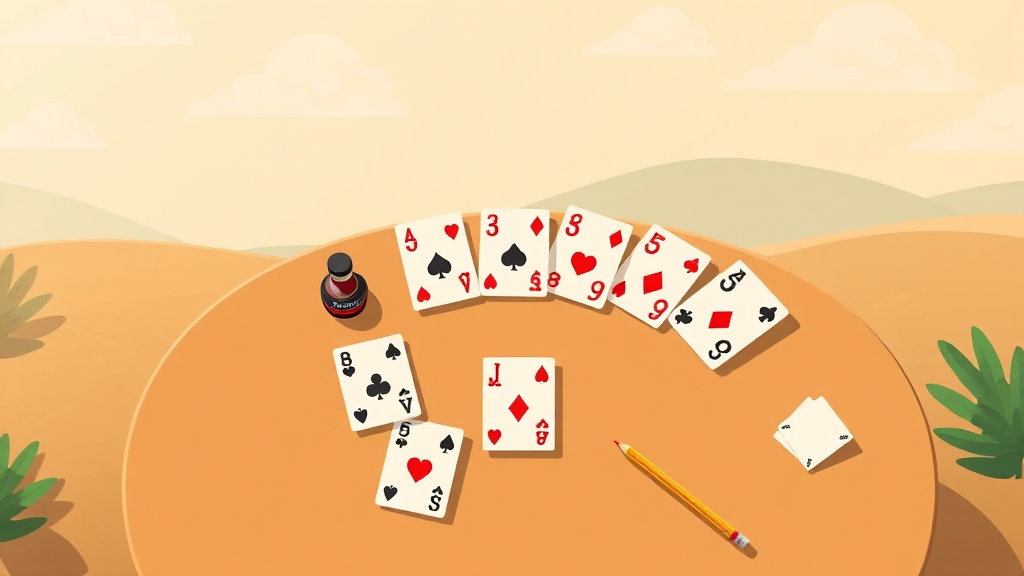
All Rummy Game: A Complete Guide to Rummy Variants, Rules and Smart Play
Rummy is one of the most widely played card games in the world, and when people search for an All Rummy Game resource, they usually want one thing: a single place that explains how the different rummy formats work, what the rules are, and how to approach each version intelligently. Rummy is not one game but a family of games, and understanding that family is the first step toward playing with confidence. This guide walks through the major rummy variants, the mechanics that connect them, the skills that matter most, and the practical habits that separate casual players from consistent ones.
Whether you are new to card games or you have played a few hands before, the goal here is clarity. Rummy rewards patience, observation and planning far more than luck alone. By the end of this article you should be able to sit down at any rummy table, recognize the format, and know what your first few moves should look like.
What Exactly Is Rummy?
At its core, rummy is a matching and melding game. Players are dealt a hand of cards and take turns drawing and discarding, trying to arrange their cards into valid combinations before their opponents do. A valid combination is usually either a set (three or four cards of the same rank, often in different suits) or a sequence (three or more consecutive cards of the same suit).
The game ends when a player declares by arranging their entire hand into valid melds, typically keeping one card aside as a finishing card. The remaining cards in opponents’ hands are then counted as points against them. This scoring system is what gives rummy its strategic depth: it is not only about finishing first, but also about finishing with a strong hand while minimizing the damage when you do not.
Different regions have developed their own variations, but the underlying logic remains consistent. You are always balancing three priorities: completing your own melds, tracking what your opponents might need, and managing the risk of holding high-value cards for too long.
The Main Rummy Variants You Should Know
When people talk about an all rummy game experience, they are usually referring to a handful of well-known formats. Each one changes the pace, the number of cards, and sometimes the scoring rules.
Points Rummy
Points rummy is the fastest and most common format in online play. Each deal is played as a single round, and the winner receives points based on a pre-agreed value. It is quick, decisive and ideal for players who enjoy short sessions. Because every round stands alone, there is less room for long-term recovery, so each decision carries immediate weight.
Pool Rummy
In pool rummy, players pay an entry into a pool, and the game continues over multiple deals until one player reaches a predetermined point limit and is eliminated, or until only one player remains. Formats like 101 Pool and 201 Pool are common. This variant rewards consistency. A single bad hand will not eliminate you, but repeated careless play will.
Deals Rummy
Deals rummy is structured around a fixed number of deals, often two or three. Points are accumulated across those deals, and the player with the lowest total at the end wins. It sits between points and pool rummy in terms of length, making it a good middle ground for players who want a bit more strategy without committing to a long session.
Indian Rummy
Indian rummy, sometimes called 13-card rummy, is played with thirteen cards per player and typically uses two decks including jokers. It requires at least two sequences, one of which must be a pure sequence without a joker. This rule adds a layer of planning because players cannot rely entirely on jokers to complete their hands.
Gin Rummy
Gin rummy is the Western cousin of the family. It uses a single deck, ten cards per player, and focuses on forming melds and minimizing deadwood. The scoring is more granular, and the knock mechanic introduces a calculated risk element that many players find appealing.
Core Rules That Apply Across the Family
Although the variants differ, several rules appear again and again. Knowing them well will make it easier to switch between formats without confusion.
Drawing and discarding: On your turn you draw one card, either from the closed deck or the open discard pile, and then discard one card. This simple loop is the engine of the entire game.
Melding: You arrange your cards into sets and sequences. A set is three or four cards of the same rank. A sequence is three or more consecutive cards of the same suit. A pure sequence contains no joker; an impure sequence uses one or more jokers.
Declaring: When your hand is fully arranged, you declare. In most formats you must keep one card as the finishing card, and your declaration must be valid or you incur a penalty.
Jokers: Printed jokers and wild card jokers can substitute for missing cards in a meld, but they cannot be used in a pure sequence. Understanding joker rules is often the difference between a valid and an invalid declaration.
Scoring: Cards that are not melded are counted against you. Face cards and aces usually carry higher values than number cards, which is why players try to shed high-value cards early when they cannot be used.
Skills That Actually Matter in Rummy
Rummy is often described as a game of luck, but that description misses the point. Luck determines what you draw; skill determines what you do with it. The most consistent players tend to share a few habits.
Observation: Every card your opponent picks up or discards tells a story. If a player repeatedly discards hearts, they are probably not collecting hearts. If they pick from the discard pile, they likely need that card or a neighbor of it.
Memory: Tracking which cards have been discarded helps you estimate what remains in the deck. This is especially important in variants with a single deck, where the pool of available cards shrinks quickly.
Flexibility: Beginners often commit to a plan too early. Strong players keep multiple possible melds alive for as long as possible, adjusting as new cards arrive.
Risk management: Holding a high-value card in the hope of completing a meld can be costly. Sometimes the right move is to discard it and accept a smaller opportunity.
Discipline: Knowing when to declare and when to wait is a skill in itself. A premature declaration can hand the advantage to an opponent, while waiting too long can leave you with a heavy hand.
Common Mistakes and How to Avoid Them
Even experienced players fall into predictable traps. Being aware of them is the fastest way to improve.
Ignoring the discard pile: The discard pile is not just a place to throw unwanted cards. It is a record of what your opponents have rejected, and it can tell you a great deal about their hands.
Overusing jokers: Jokers are powerful, but relying on them too heavily can leave you unable to form a pure sequence. Always keep at least one pure sequence in mind from the start.
Chasing a single meld: If you spend the whole game trying to complete one difficult sequence, you may miss easier opportunities elsewhere in your hand.
Forgetting the scoring: In formats where points accumulate, a single careless round can undo several good ones. Play defensively when your hand is weak rather than forcing a risky declaration.
Playing too fast: Speed is not the same as skill. Taking a moment to review your options before discarding often leads to better decisions.
How to Practice and Improve
Improvement in rummy comes from repetition combined with reflection. Playing many hands will build familiarity, but reviewing your decisions will build skill. After each session, ask yourself a few questions: Did I discard a card I later needed? Did I miss a signal from an opponent? Was my declaration timing correct?
Playing against a range of opponents is also valuable. Different players have different styles, and adapting to them is part of the game. Some opponents are aggressive and declare early; others are patient and build strong hands. Recognizing these patterns lets you adjust your own approach.
Finally, treat each variant as its own discipline. A strategy that works in points rummy may not translate well to pool rummy, where survival matters more than winning individual rounds. The more formats you understand, the more adaptable you become.
Rummy Etiquette and Fair Play
Rummy has a long social tradition, and good etiquette is part of the experience. Avoid rushing opponents, keep your cards concealed, and declare clearly when you are ready. In online settings, the same principles apply: play at a reasonable pace, do not exploit technical issues, and respect the rules of the platform you are using.
Fair play also means understanding the rules well enough to follow them accurately. A declaration that is accidentally invalid is still invalid, and repeated errors can affect your standing in competitive formats. Taking the time to learn the specifics of each variant protects both you and your opponents.
Choosing the Right Format for Your Style
Not every rummy variant suits every player. If you enjoy quick decisions and immediate results, points rummy is likely to appeal to you. If you prefer a longer arc where consistency pays off, pool rummy may be a better fit. If you want something in between, deals rummy offers a balanced structure.
Players who enjoy a more traditional feel often gravitate toward Indian rummy, with its two-deck setup and specific sequence requirements. Those who prefer a leaner, more mathematical challenge may enjoy gin rummy. There is no single best format; there is only the format that matches how you like to think and play.
Frequently Asked Questions
What is the difference between a set and a sequence in rummy?
A set is three or four cards of the same rank, usually in different suits. A sequence is three or more consecutive cards of the same suit. Most rummy variants require at least one pure sequence, which is a sequence formed without any joker.
Can I use a joker in a pure sequence?
No. A pure sequence must be formed entirely from natural cards. Jokers can be used in impure sequences and in sets, but they cannot replace a card in a pure sequence. This rule is one of the most important to remember when declaring.
Which rummy variant is best for beginners?
Points rummy is often recommended for beginners because each round is quick and self-contained. It allows new players to learn the basic mechanics without the pressure of a long cumulative score. Once the fundamentals are comfortable, moving to pool or deals rummy becomes easier.
How can I reduce the points I lose in a round?
Discard high-value cards early when they do not fit your melds, avoid holding unnecessary face cards, and declare as soon as your hand is valid rather than waiting for a perfect arrangement. Defensive play in weak hands can significantly reduce your losses.
Is rummy purely a game of luck?
Luck influences which cards you draw, but skill determines how you use them. Observation, memory, flexibility and risk management all play a major role, especially over multiple rounds. Consistent players rely on decision-making rather than chance alone.
Final Thoughts
The world of rummy is broader than many players realize. From the fast pace of points rummy to the strategic depth of pool and Indian rummy, each variant offers a different way to enjoy the same foundational skills. By learning the rules, practicing consistently, and staying aware of common mistakes, you can turn a casual pastime into a genuinely rewarding pursuit.
Take the time to explore the formats that interest you, play with attention, and treat every hand as an opportunity to learn. Rummy rewards those who think ahead, and that is a habit worth building.